How to Choose the Right Dinner Cruise in Dubai Marina
Dubai marina offers a wide range of dinner cruise options, and the price can vary a lot depending on what is included. The challenge is not simply finding a cheap ticket, but matching the cost to the experience you actually want. A low price might mean a basic setup, while a higher price could include premium extras that matter to you. This article walks through the key factors to weigh so you can pick a cruise that fits both your budget and your expectations.
Step one: decide on the type of vessel
The kind of boat you choose has the biggest impact on the price. Traditional wooden dhows are common in the marina, and they tend to be the most affordable option. They offer a classic feel with open-air deck seating, often paired with a buffet dinner and live music. Yacht cruises, on the other hand, are usually more expensive. They provide a more modern, private atmosphere, often with smaller groups and higher-end dining. If you are after a relaxed evening with a view of the marina walk and the JBR skyline, a dhow can be a good value. If you prefer a sleek, contemporary setting with fewer people around, a yacht may be worth the extra cost.
Beyond the main categories, some vessels are designed specifically for large groups, while others cater to intimate couples. Larger boats can feel crowded, and the service may be less personal, but they often come with a lower per-person price. Smaller boats tend to cost more per ticket but offer a quieter, more attentive experience. When you compare options, look at the passenger capacity and the deck layout. A boat with both an air-conditioned cabin and an open-air deck gives you flexibility. You can enjoy the skyline from the top deck, then retreat inside when the breeze picks up. That versatility can make a mid-range price feel more worthwhile.
Step two: examine what is included in the meal
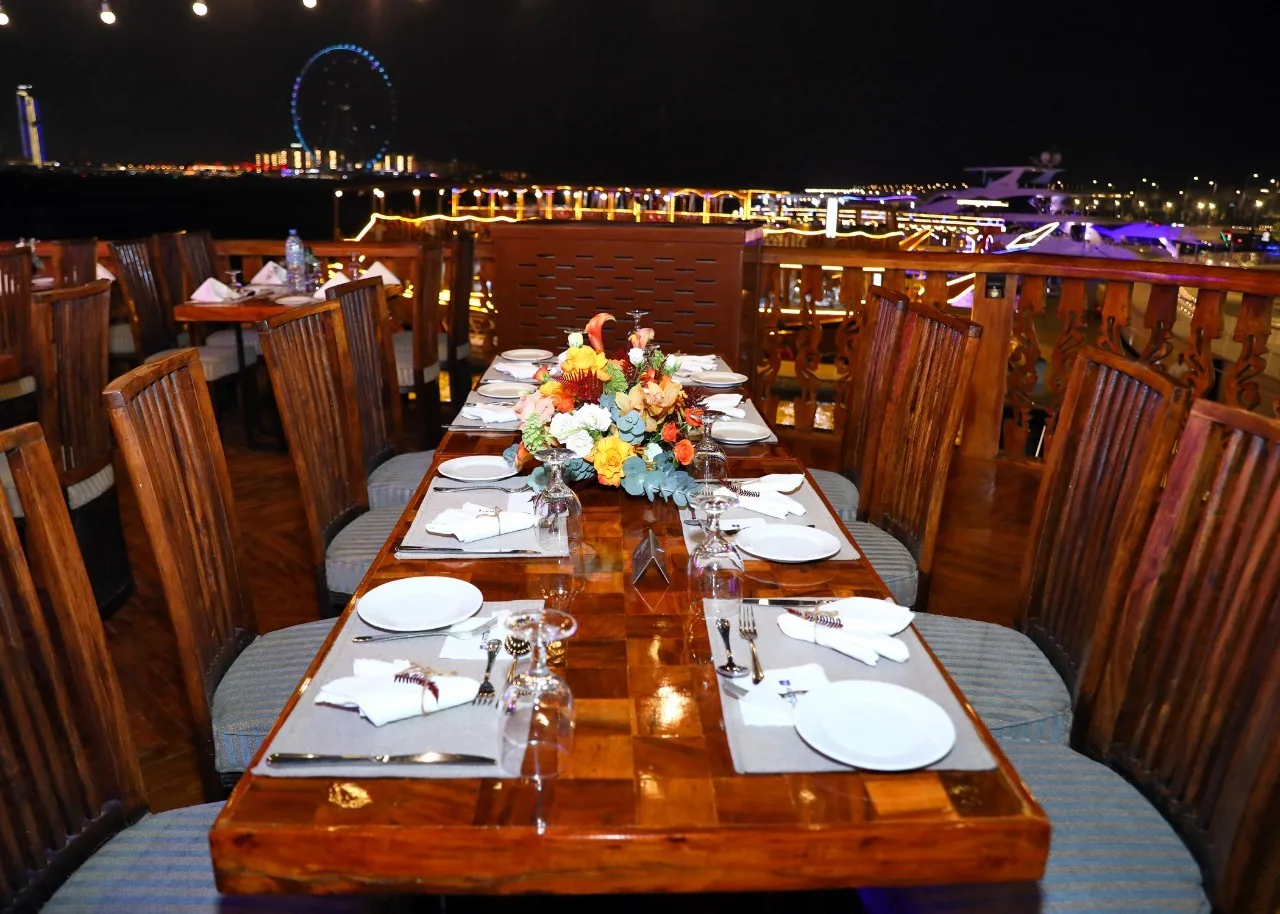
The dinner component is the second major price driver. Most cruises offer a buffet dinner, but the quality and variety differ. Some buffets are simple, with a few hot dishes and basic salads. Others include live cooking stations, seafood options, and a dessert spread. If the meal matters to you, look for a cruise that specifies the cuisine type and the number of dishes. A higher price tag often reflects a more elaborate spread, but you should also check if beverages are included. Some packages cover water and soft drinks, while others charge extra for everything except the meal itself. Alcoholic drinks are almost always separate, and they can add significantly to your final bill if you plan to order them onboard.
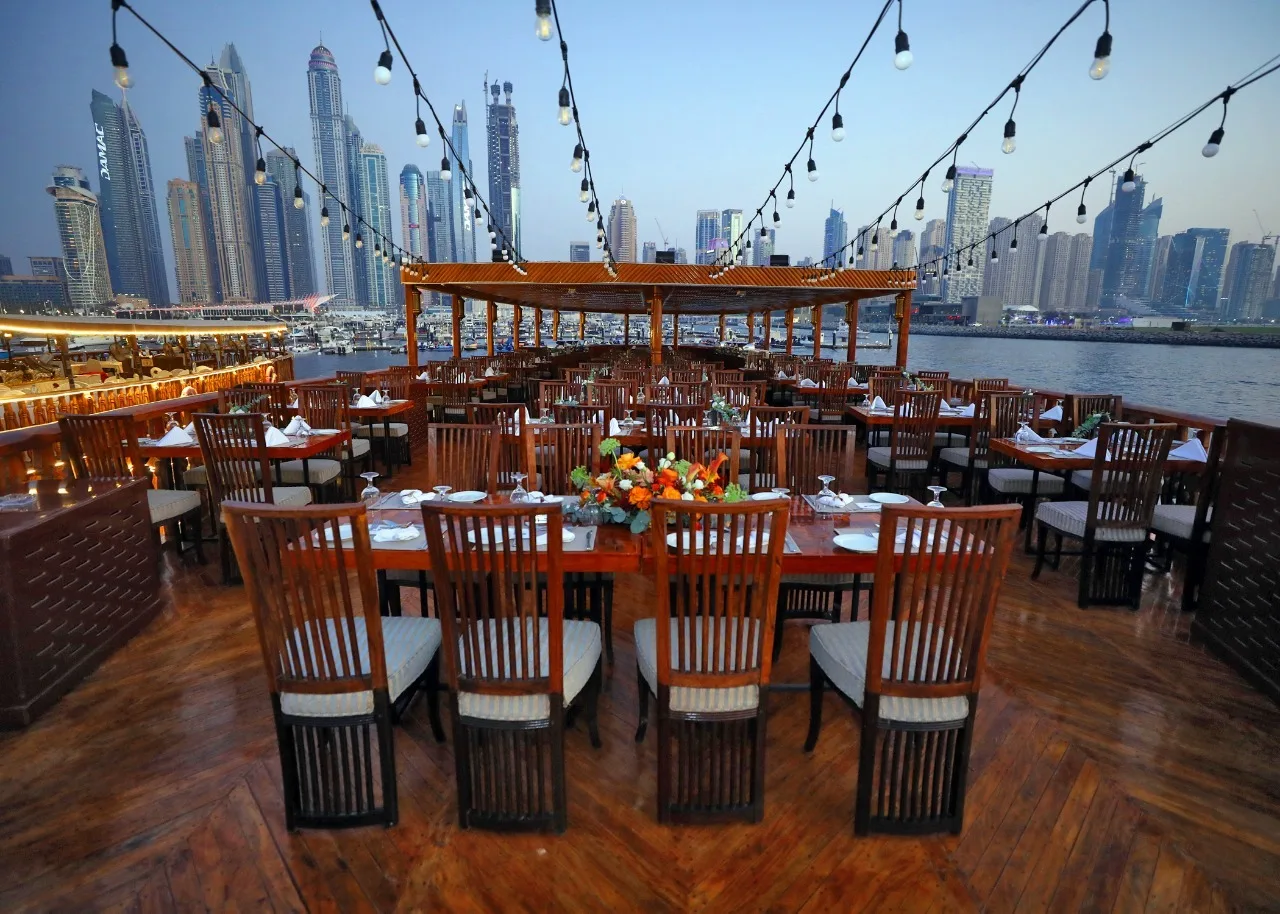
Another detail to watch is the timing of the meal. On some cruises, dinner is served immediately after boarding, leaving the rest of the voyage for sightseeing. On others, the meal is staggered, with multiple courses served throughout the trip. Staggered service can feel more relaxed, but it may also mean you spend more time at the table and less time on the open deck. If you want to maximise your time watching the marina lights, a cruise with a fixed dinner time and plenty of deck access might suit you better.
Step three: check the entertainment line-up
Entertainment is another factor that influences the price. Many cruises include live music, often a singer or a small band performing traditional or contemporary songs. Some also feature dance performances, such as a tanoura show or a belly dancing act. These performances add to the atmosphere and can make the evening feel more special. If you enjoy live entertainment, look for a cruise that explicitly lists what is included. A cruise without entertainment might be cheaper, but it can feel quiet if you are expecting a lively evening.
Keep in mind that entertainment quality varies. A solo guitarist singing covers is very different from a full band with sound and lighting. Read the description carefully. Some cruises offer a host or an MC who keeps the energy up, while others let the music play in the background without much interaction. If you are travelling with children, a cruise with a lively show can keep everyone engaged. For a more romantic or quiet evening, you might prefer a cruise with only gentle background music. Matching the entertainment to your mood helps you avoid paying for something you do not want, or missing out on something you would enjoy.
Step four: consider the route and duration
The cruise route determines what you see, and it can affect the price. Most Dubai marina dinner cruises stay within the marina itself, passing by the Marina walk, the yachts, and the JBR skyline. Some extend into the open sea or go past Palm Jumeirah, offering a wider view of the city. Longer routes usually cost more because they burn more fuel and take more time. A standard one-hour or ninety-minute cruise is enough to see the main sights. A two-hour or longer cruise allows for a more relaxed pace and more time on the water.
Duration also matters for comfort. A shorter cruise can feel rushed, especially if dinner is served during the trip. A longer cruise gives you time to finish your meal, walk around the deck, and take photos without hurrying. However, a longer cruise may also mean more time spent seated if the boat is crowded. Check the itinerary. Some cruises make a loop around the marina, while others go out and back along the same route. A loop offers variety and is usually more interesting. If the price difference is small, choose the longer route with a loop. If you are on a tight budget, a shorter marina-only cruise can still give you a great view.
Step five: compare what is included beyond the ticket
Once you have a shortlist of cruises that match your preferences for boat type, meal, entertainment, and route, compare the extras. Some tickets include parking at the marina, a welcome drink, or a photo package. Others offer transfers from nearby hotels. These small inclusions can add up and make a seemingly higher-priced cruise a better deal overall. Conversely, a low base price may be followed by add-ons for every little thing. Always check the fine print for terms like "parking not included" or "beverages at extra cost".
Another point to watch is the boarding location. Some cruises depart from the main marina pier, which is easy to find. Others use a less accessible jetty that may require a taxi or a longer walk. If you are arriving by metro or on foot, a central boarding point saves time and money. The convenience of the location can make a mid-range price feel more reasonable than a cheap ticket that requires extra transport costs.
When you have done your research, it helps to see the options side by side. A site like cruisedhowdubai.com lists many of the available cruises with their features and prices. You can filter by boat type, meal, entertainment, and duration to see what fits your criteria. The site also shows customer reviews and photos, which give a realistic sense of what to expect. Using such a resource can save you hours of searching individual operator websites.
Step six: read recent reviews for real-world insight
Before you book, look at recent reviews from people who took the same cruise. Pay attention to comments about the food quality, the cleanliness of the boat, the punctuality of the departure, and the behaviour of the crew. A cruise that looks perfect on paper might disappoint in practice if the buffet runs out early or the deck is too crowded to see the view. Reviews often reveal these details. Look for patterns. If multiple reviewers mention the same issue, it is likely a real problem. If they praise the same aspect, that is probably a strength.
Be wary of reviews that seem overly positive or generic. Some operators inflate their ratings with fake reviews. Focus on reviews that give specific details, like "the chicken was dry" or "the captain pointed out landmarks". Those are more likely to be genuine. Also check the date of the review. A cruise that was great two years ago may have changed management or menu. Recent reviews are more reliable.
One more tip: check if the cruise operator has a website or social media page that shows recent photos. If the photos look like stock images, the actual boat might look different. If they show real photos from recent trips, you get a better idea of the condition of the vessel. A well-maintained boat with friendly staff can make a mid-range price feel like a bargain.
Another useful step is to compare the same cruise across different booking platforms. Sometimes the price varies depending on where you book. A site like cruisedhowdubai.com aggregates listings from multiple operators, so you can see the range. If you find the same cruise listed at different prices on different sites, the lower one is usually the better deal, as long as the terms are identical. But be careful: some platforms add booking fees or service charges that are not shown until checkout. Always check the final total before you pay.
Step seven: trust your own preference over the price
At the end of the day, the right dinner cruise is the one that matches what you value most. If you care about food, spend more on a cruise with a well-reviewed buffet. If you care about views, choose a boat with a spacious open deck and a scenic route. If you are on a tight budget, a basic dhow cruise with a simple meal can still be a pleasant evening. The price is just one piece of the puzzle. Do not let a low price lure you into a cruise that lacks what you want, and do not assume a high price guarantees a great experience. By following these steps, you can make an informed choice and enjoy your night on the water.